
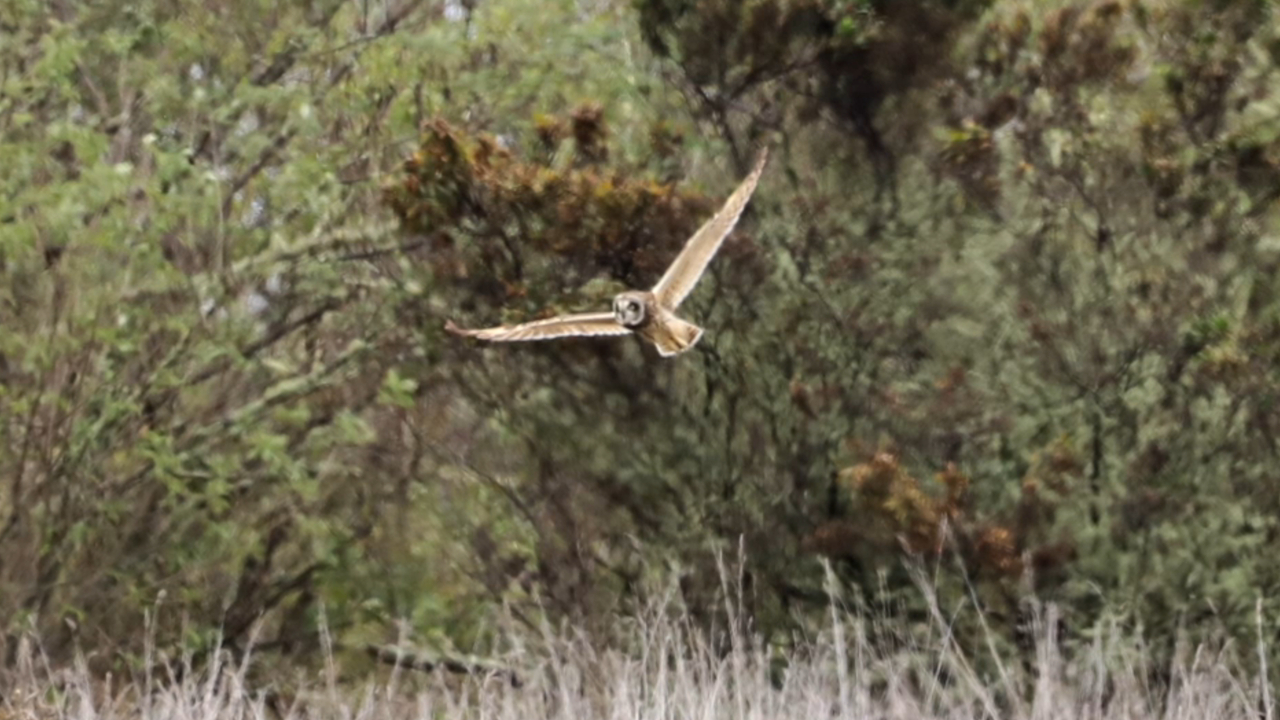

(BIVN) – Most pueo deaths are caused by trauma resulting from vehicle collisions in Hawaiʻi, a recent study shows.
The study, “Mortality in the Hawaiian Short-eared Owl (Pueo, Asio flammeus sandwichensis): causes and spatial trends” was led by researchers at the University of Hawaiʻi at Mānoa, and serves as the most extensive mortality assessment to date for this culturally significant raptor.
The study was conducted by the Department of Natural Resources and Environmental Management (NREM) in the College of Tropical Agriculture and Human Resilience (CTAHR), and analyzed 32 years of records from 10 organizations across the islands.
Of the 242 documented pueo mortalities, trauma accounted for 62% of deaths. Of those, two-thirds were linked to vehicle collisions or occurred in close proximity to roadways.
The study reveled wind turbines represented 13% of trauma-related deaths, while other mortalities included emaciation and disease.
“Our findings highlight that many Pueo deaths may be preventable,” said Melissa Price, an NREM professor and senior author of the study. “Reducing vehicle collisions and increasing awareness about rodenticide use can help all of us support Pueo conservation. This work is dedicated to University of Hawai‘i alumnus Stephanie Bell, whose work on this project for her undergraduate senior thesis made this statewide assessment possible.”
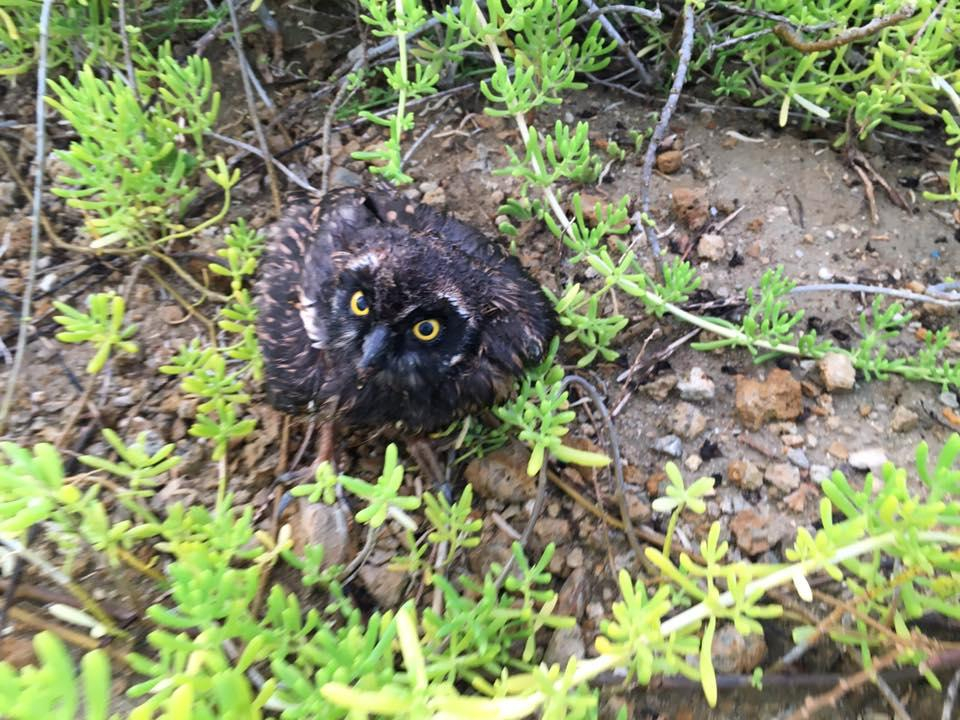
Researchers noted that many birds suffered from underlying health issues, including parasites, emaciation or suspected exposure to rodenticides.
“Wildlife mortality is often complex,” said Thierry Work of the U.S. Geological Survey, a collaborator on the study. “Perhaps owls are more likely to forage along roadsides because that is where prey are easily available, or other underlying conditions increase their risk of collision. Without systematic necropsies and toxicology testing, it can be difficult to untangle these contributing factors.”
“This study adds to a growing body of research that indicates many native bird species in Hawaiʻi are killed by vehicle and infrastructure collisions,” said U.S. Fish and Wildlife Service biologist Olivia Wang. “Understanding the magnitude of impact of these threats helps us identify areas to target management and outreach efforts so we can minimize and mitigate the various threats Pueo face.”
The UH news release says a statewide assessment of pueo population size “is a critical next step to understand how this level of mortality might affect the population over time.”
