
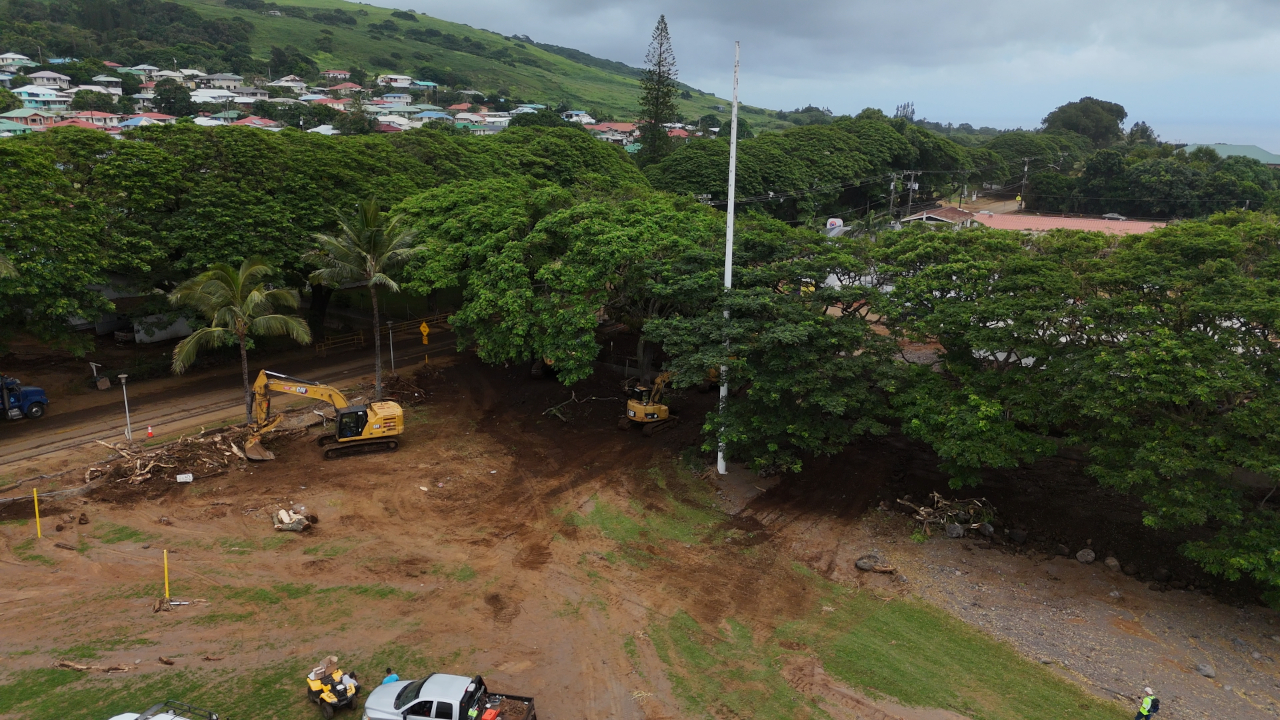

(BIVN) – The U.S. Department of Agriculture will be offering technical and financial assistance to help Hawaiʻi farmers, ranchers, and livestock producers recover from Hurricane Lala.
U.S. Senator Mazie K. Hirono (D, Hawaiʻi) announced multiple federal programs will be available to agricultural producers impacted by the storm.
“As we continue assessing the damages from Hurricane Lala and begin our recovery efforts, I’m committed to ensuring that Hawaii’s farmers, ranchers, and livestock producers receive the resources they need,” said Senator Hirono in a Tuesday news release. “The federal assistance from USDA’s emergency loans and land restoration programs will help our state’s agricultural producers rebuild quickly and receive compensation for their losses. I urge all impacted operators to document their losses immediately and connect with their local USDA Service Center.”
The Hirono news release provided these details on three key programs:
Livestock Indemnity Program (LIP): Producers who experience livestock deaths in excess of normal mortality or sell injured livestock at a reduced price may be eligible. To participate in LIP, producers must provide acceptable documentation of death losses or evidence of reduced sales resulting from an eligible adverse event, including an adverse weather event, and submit a notice of loss to the USDA Farm Service Agency (FSA) no later than March 1, 2027, for 2026 calendar year losses.
Emergency Assistance for Livestock, Honeybees, and Farm-Raised Fish Program (ELAP): Provides eligible livestock producers with compensation for feed and grazing losses. For honeybees, ELAP may cover colony loss and damage to hives and purchased or produced feed. ELAP may also cover purchased or produced farm-raised fish feed losses for feed that was intended to be fed to eligible farm-raised fish along with any physical inventory loss of the eligible farm raised fish. For ELAP, producers are required to complete a notice of loss and submit a payment application to their local FSA office no later than March 1, 2027, for 2026 calendar year losses.
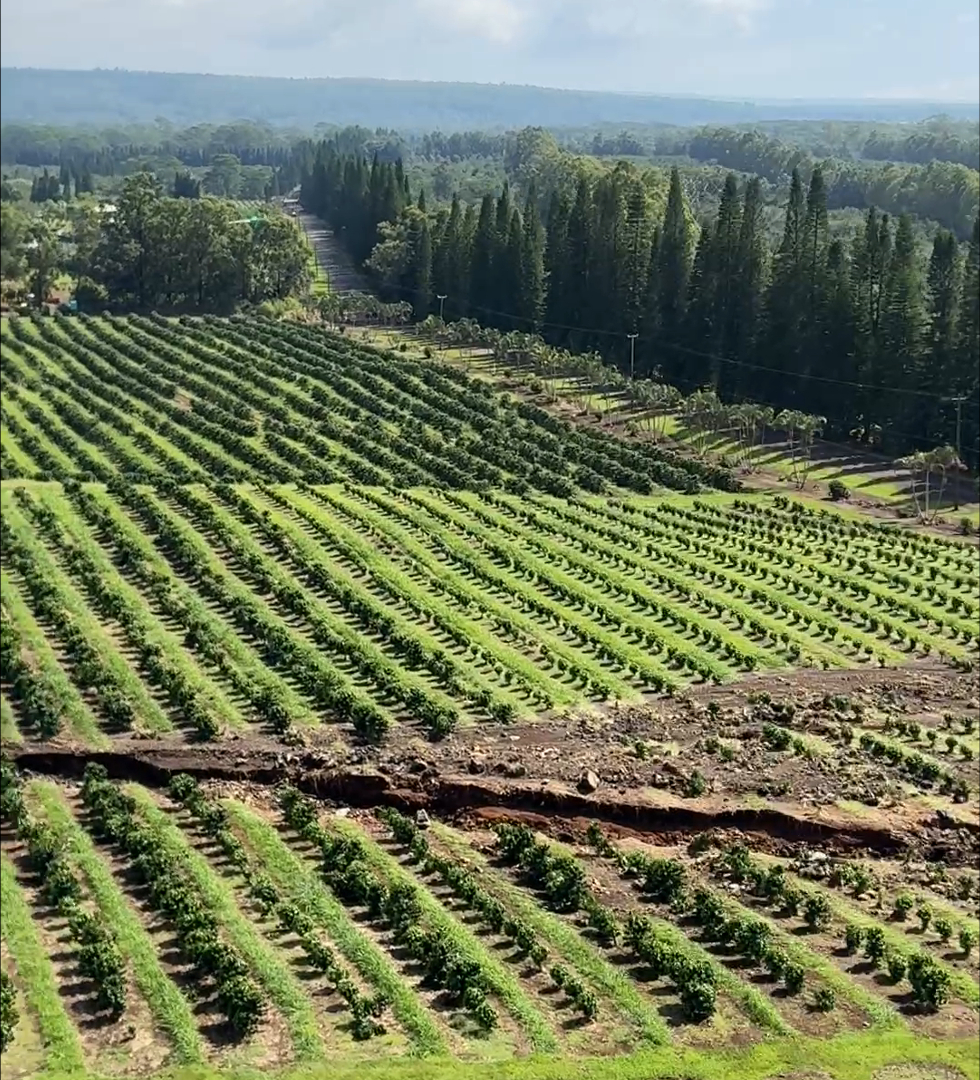
Tree Assistance Program (TAP): Provides eligible orchardists and nursery tree growers with cost-share assistance to replant or rehabilitate eligible trees, bushes or vines. TAP complements the Noninsured Crop Disaster Assistance Program (NAP) or crop insurance coverage, which covers the crop but not the plants or trees in all cases. For TAP, a program application must be filed within 90 days of the disaster event or the date when the loss of the trees, bushes or vines is apparent
From the Hirono news release:
Additionally, FSA offers a variety of direct and guaranteed farm loans, including operating and emergency farm loans, to producers unable to secure commercial financing. Producers in counties with a primary or contiguous disaster designation may be eligible for low interest emergency loans to help them recover from production and physical losses. Loans can help producers replace essential property, purchase inputs like livestock, equipment, feed and seed, cover family living expenses or refinance farm-related debts and other needs.
Additionally, FSA offers several loan servicing options available for borrowers who are unable to make scheduled payments on their farm loan programs debt to the agency because of reasons beyond their control.
The Farm Storage Facility Loan Program (FSFL) provides low-interest financing so producers can build, repair, replace or upgrade facilities to store commodities. Loan terms vary from three to 12 years. Producers who incurred damage to or loss of their equipment or infrastructure funded by the FSFL program should contact their insurance agent and their local USDA Service Center. Producers in need of on-farm storage should also contact USDA.
Additional USDA disaster assistance information can be found on farmers.gov. Those resources include the Disaster Assistance Discovery Tool, the Disaster-at-a-Glance fact sheet, Loan Assistance Tool, and Natural Disasters and Crop Insurance fact sheet. Additionally, FarmRaise offers an FSA educational hub with LIP and ELAP decision tools as well as farm loan resource videos. For FSA and NRCS programs, producers should contact their local USDA Service Center. For assistance with a crop insurance claim, producers and landowners should contact their crop insurance agent.
