
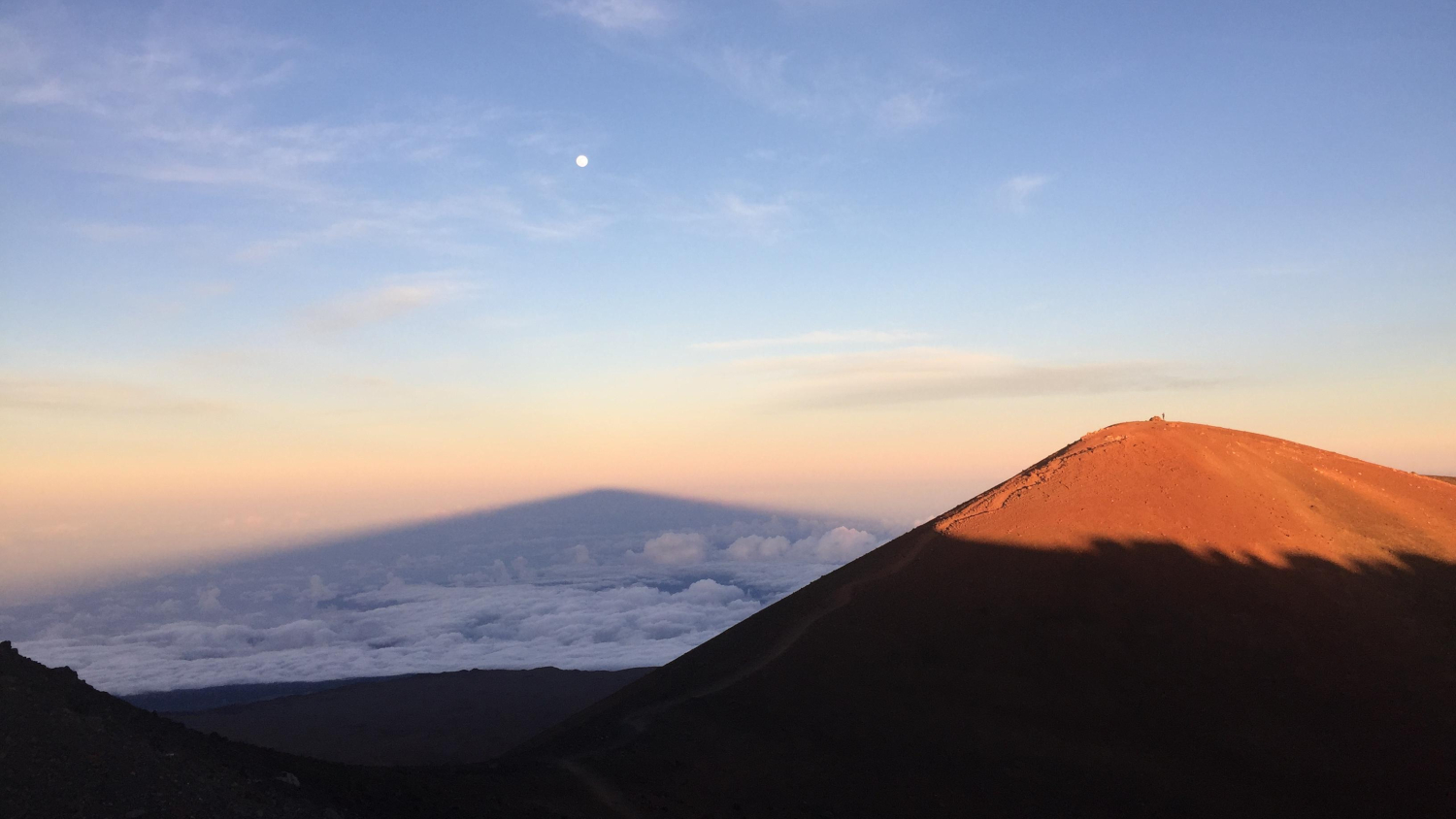

(BIVN) – Public input is being sought on an updated Maunakea Master Plan, as the management of the summit area transitions from the University of Hawaiʻi’s Maunakea Management Board to the Mauna Kea Stewardship and Oversight Authority, or MKSOA.
Under an amended Act 255, all existing UH plans and administrative rules remain in effect during the transition to MKSOA management until they are replaced by plans and rules adopted by MKSOA. In February 2026, the UH Board of Regents directed the university administration to update the Master Plan to be consistent with Act 255.
The update also calls for amendments on sections of the Master Plan related to site reuse, including guidelines for new astronomy facilities, as well as guidelines for new astronomy facilities on previously used sites.
“The revisions would be limited to the UH Master Plan and do not call for new land use or new development,” a University of Hawaiʻi news release stated. “No revisions to the Maunakea Comprehensive Management Plan are proposed. UH remains committed to having no more than nine observatories after 2033 and to keeping the existing decommissioning process and plan unchanged.”
The University says the proposed revisions “are intended to apply broadly to potential future astronomy projects and are focused on bringing the current UH Master Plan into alignment with state law.”
The public can review the proposed revisions and submit comments using this online platform.
There will also be an opportunity to provide in-person and written testimony at two upcoming public meetings:
- September 8: Maunakea Management Board
- September 10: Mauna Kea Stewardship and Oversight Authority
The proposal will then go the UH Board of Regents for approval.
“Maunakea is important to many people for many different reasons, and hearing from the community is an integral part of this process,” said Greg Chun, executive director of the UH Hilo Center for Maunakea Stewardship. “We invite the community to take some time to review the proposed revisions, ask questions and share their manaʻo, their perspectives with us.”
