

(BIVN) – Hawaiʻi Volcanoes National Park temporarily closed additional areas of the Kīlauea summit on Wednesday, as scientists reported new ground cracks on the caldera floor as a result of a recent magma intrusion.
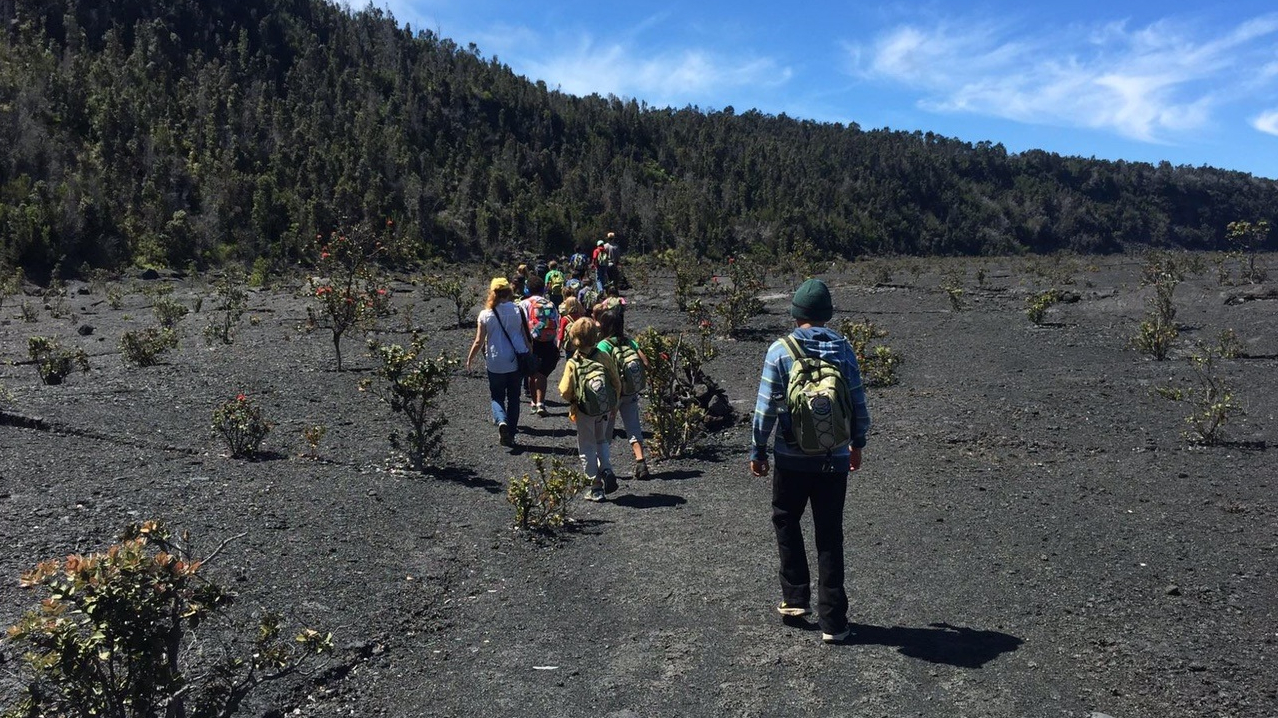
The National park Service says it closed Halemaʻumaʻu Trail and part of Byron Ledge Trail by 5 p.m. Wednesday, October 7th. The trail closure is a total of 1.3 miles.
Viewing areas on the Keanakākoʻi side of the caldera were closed last week for similar volcanic safety concerns. “With the closest parking about a mile from the overlooks, the area is difficult to evacuate quickly,” park officials said.
Visitors are required to stay out of closed areas and away from cliff edges which are unstable and can collapse without warning, the National Park Service says.
From Hawaiʻi Volcanoes National Park:
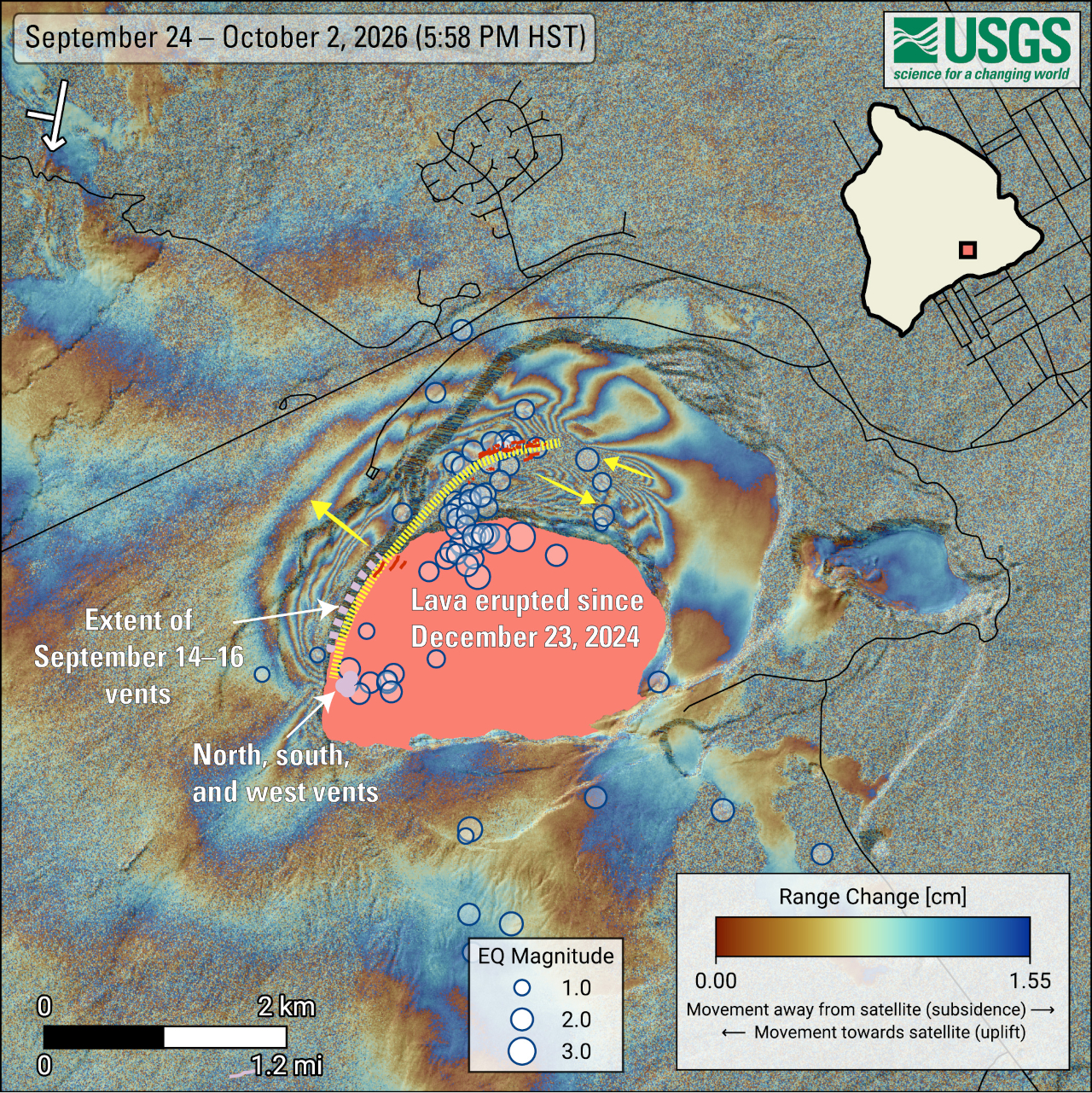
According to the USGS Hawaiian Volcano Observatory (HVO), more than 200 shallow earthquakes occurred below Kīlauea summit in the last week, and six more occurred within the last 24 hours. A magnitude 3.4 earthquake at 9:52 p.m. on September 30 caused small rockfalls along the north wall of the caldera. The increased seismicity could trigger additional rock falls and presents a serious safety risk. Both trails descend from the caldera rim to the floor and have been the site of dangerous rock falls in the past.
Kīlauea volcano is highly pressurized and while forecasting is not possible due to the irregularity in inflation and deflation, changes could occur quickly at the summit. HVO scientists report that additional cracks have opened on the caldera floor between Uēkahuna and Wahinekapu (Steaming Bluff), likely due to a short-lived magma intrusion to the area September 30 to October 1.
HVO suggests lava fountains could resume within Halemaʻumaʻu crater from the north-south-west vent complex. The last eruption was August 25 and the 43 days since then represent the longest period of time without fountains since the eruptive cycle began on December 23, 2024. It is also possible that another magma intrusion could occur and cause an eruption along the weak crack system at the summit.
