
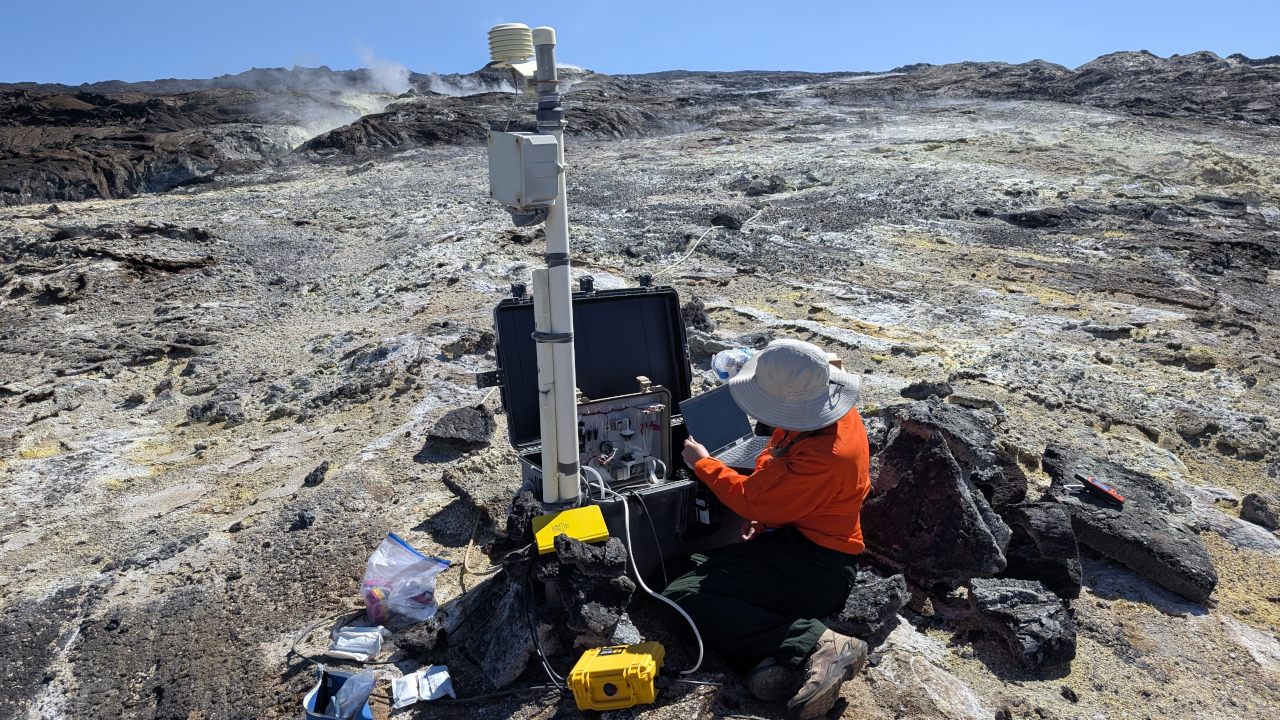

(BIVN) – A new set of photos published by the U.S. Geological Survey documents recent Hawaiian Volcano Observatory efforts to maintain volcano monitoring equipment on the Big Island.
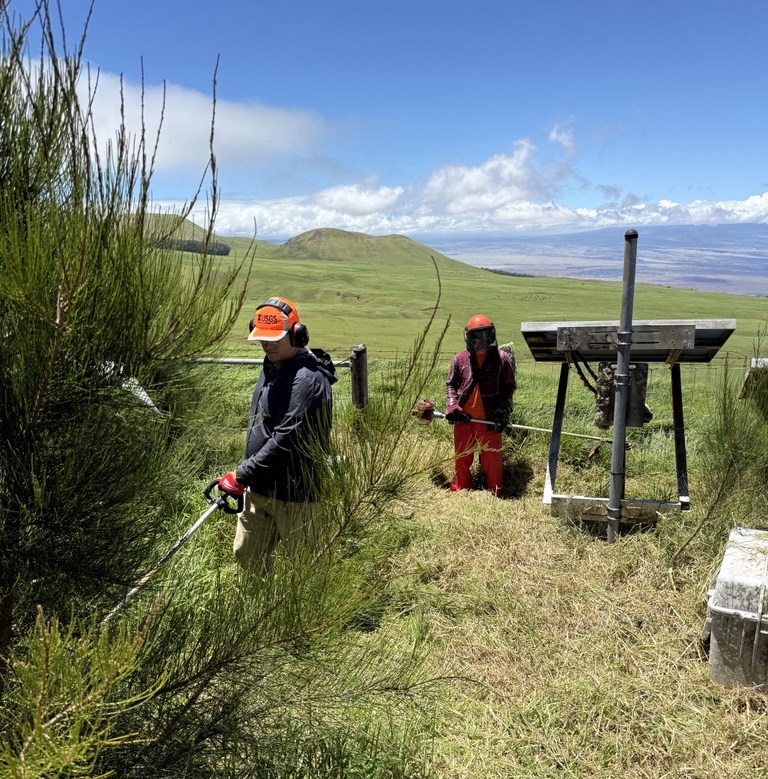
In July 2026, USGS HVO field engineers and gas scientists conducted maintenance on monitoring stations located on Mauna Loa, Hualālai, and Kohala volcanoes.
Kohala is no longer active, while Hualālai in Kona is considered the third-most historically active volcano on the Island of Hawai‘i. Hualālai erupted most recently in 1800-1801.
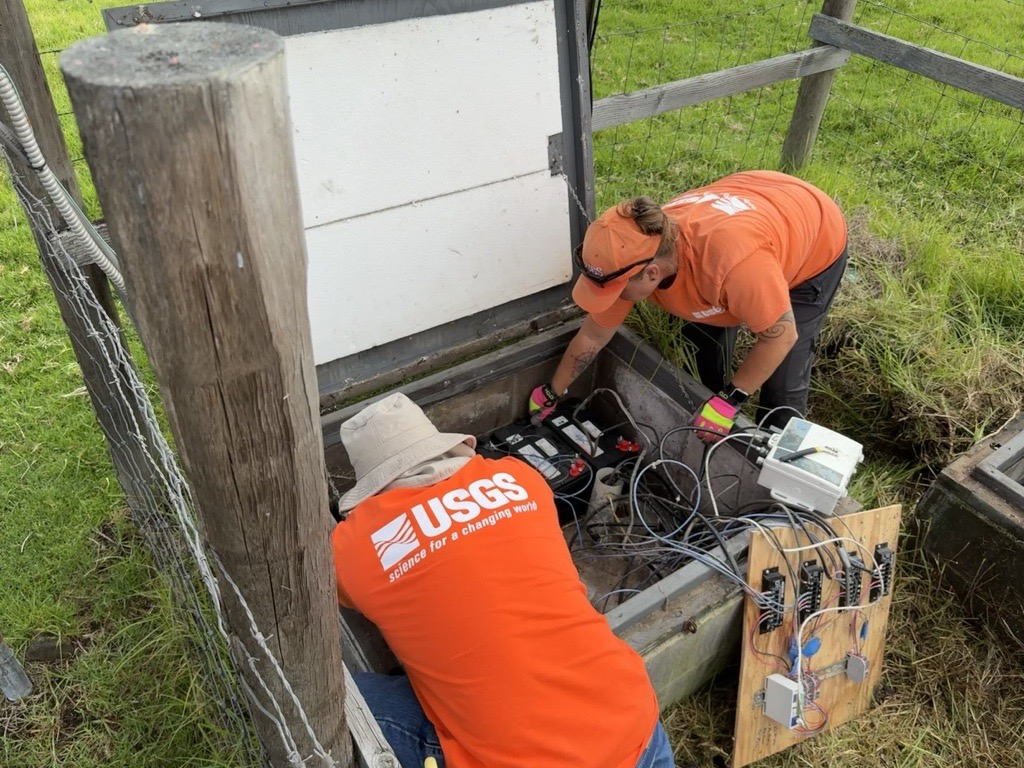
The Observatory field engineers also conducted monitoring station maintenance on Mauna Loa.
Mauna Loa is considered a volcano with very high threat potential. It is among Earth’s most active volcanoes, having erupted 34 times since 1843.
The current USGS Volcano Alert Level for Mauna Loa is NORMAL.
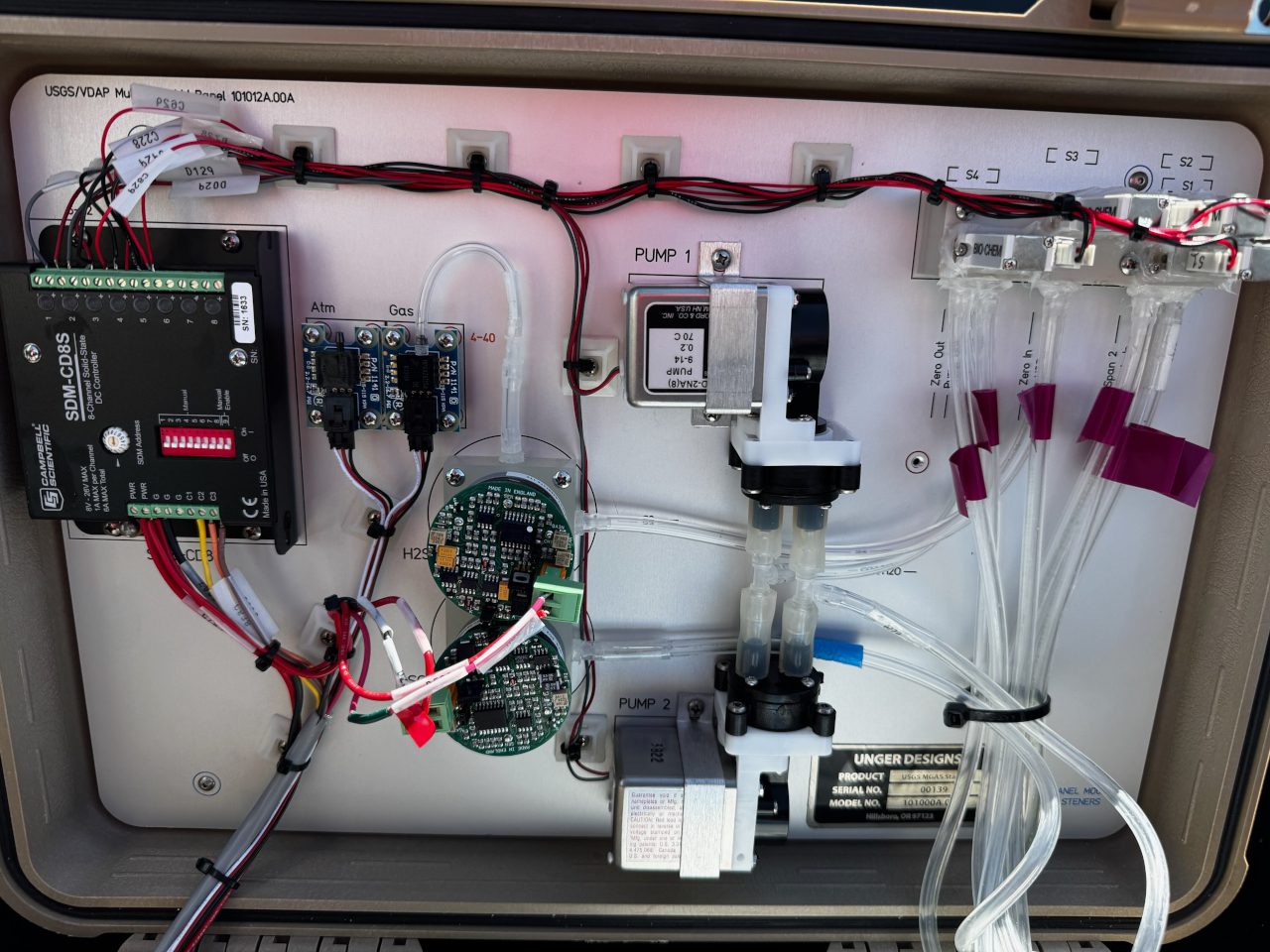
“On July 29, 2026, USGS Hawaiian Volcano Observatory gas scientists flew via helicopter to the Sulfur Cone Multi-Gas instrumentation site on Mauna Loa’s Southwest Rift Zone, which is at an elevation of 3,430 meters (11,240 feet) above sea level,” the Observatory reported. “Their mission was to perform routine maintenance of the monitoring site and to swap in a newly calibrated Multi-Gas instrument.”
The Observatory says the Sulfur Cone Multi-Gas instrument “is housed inside a black Pelican case, held down by rocks piled on top to keep secure from high winds. Air is pulled into the instrument via a small pump to be analyzed for volcanic gases (Sulfur Dioxide, Hydrogen Sulfide, Carbon Dioxide and Water Vapor). Meteorological parameters (Wind Speed/Wind Direction, Temperature/Humidity) along with fumarole temperature are also collected at the site. Monitoring the ratios of the different volcanic gases here can help USGS Hawaiian Volcano Observatory gas scientists identify any changes to the magmatic system beneath Mauna Loa.”
The Observatory is expected to publish its monthly update on Mauna Loa in the coming days.
