
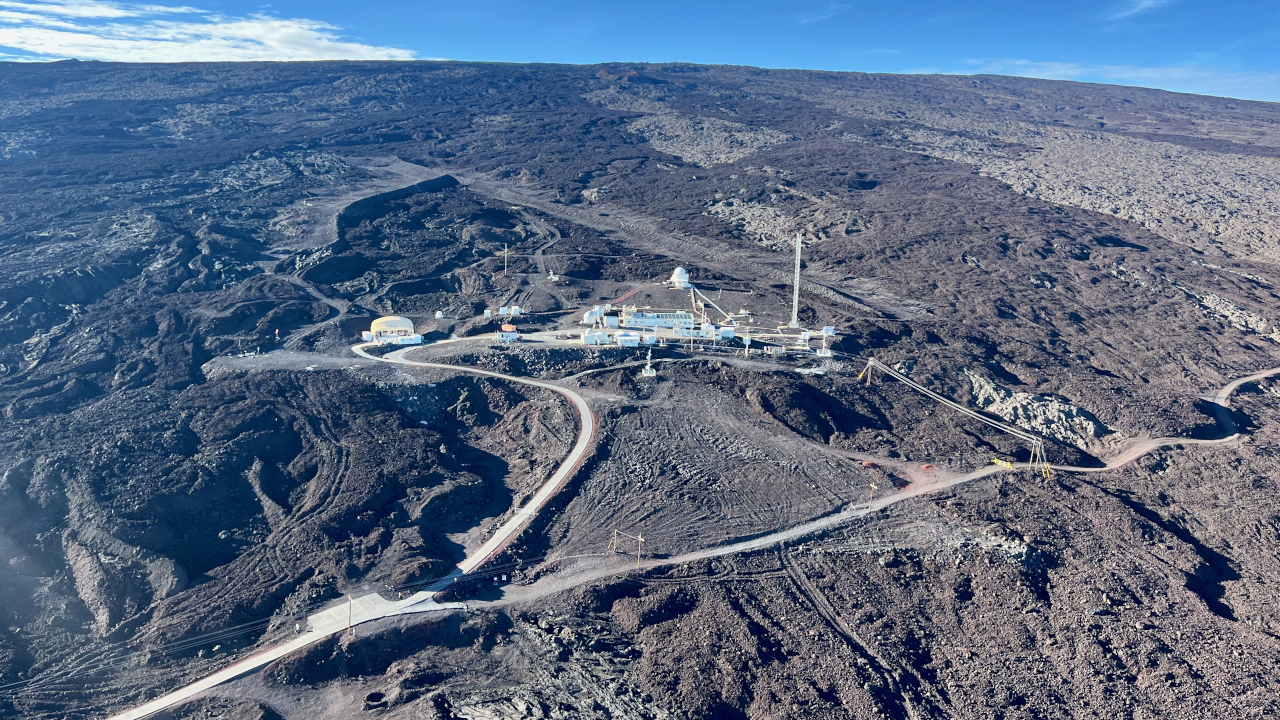

(BIVN) – Access to NOAA’s Mauna Loa Atmospheric Baseline Observatory, or MLO, has been restored following the late-2022 eruption of Mauna Loa volcano.
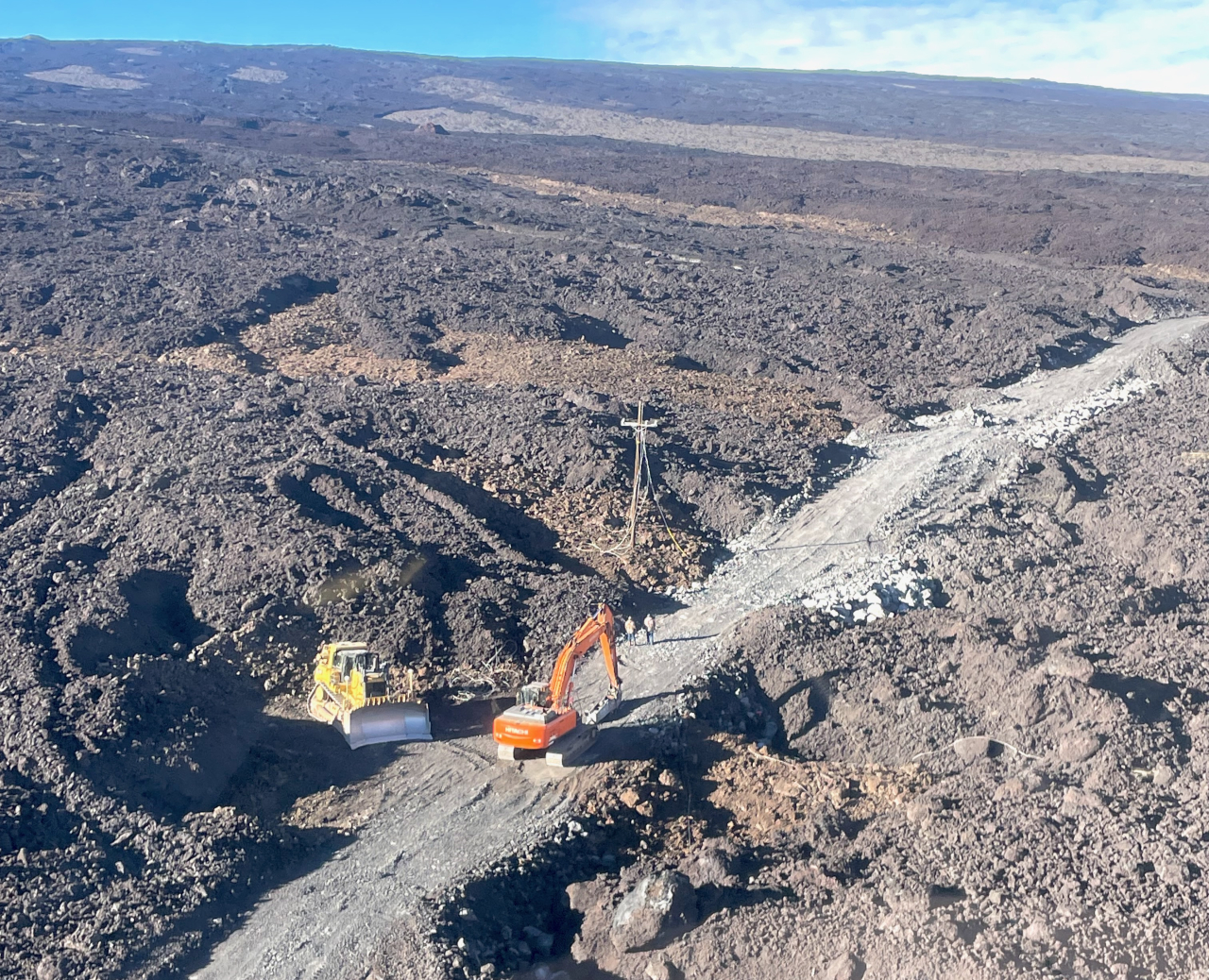
NOAA announced this week that road crews have carved a temporary road restoring access to the site. Many of the science activities that were suspended due to the eruption are being restarted. A timeline for restoring power to the site has not yet been established, officials say.
The researchers are now planning to redevelop the MLO campus, starting with an upgrade to the interior and exterior of the Keeling Building.
MLO is an internationally renowned atmospheric research facility, where scientists have monitored and collected atmospheric data since the 1950s.
“The reopening of the road to MLO on March 26, 2026, is a monumental win for NOAA and our long-term environmental observations,” said Vanda Grubišić, director of NOAA’s Global Monitoring Laboratory (GML), which operates the site. “After more than three years since being cut off by the 2022 volcanic eruption, the restoration of land access allows us to focus on the future of this pristine observational site and the planned site upgrades.”
From the NOAA news release:
The backstory: What happened at the MLO site
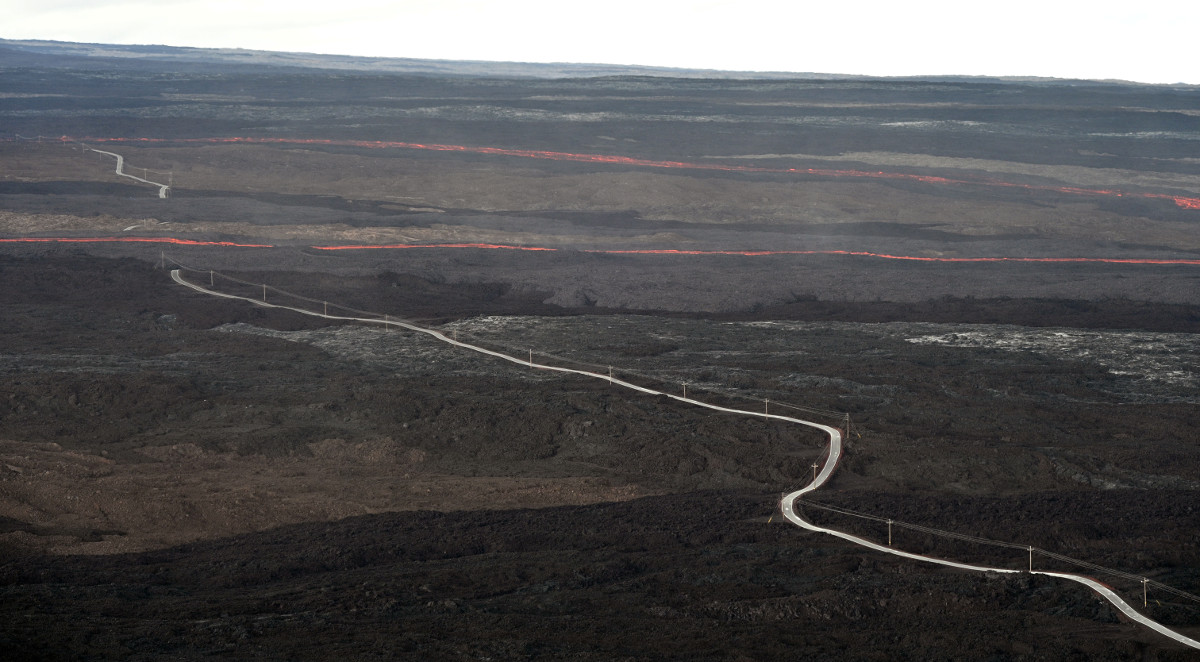
When lava erupted from the Mauna Loa caldera and began to flow from fissures in the rift zone on November 28, 2022, it buried about 6,000 feet of road. Lava depth averaged 30-35 feet, but was highly variable and included two large canyons from the main channels of the lava flow. Power lines serving the observatory were also destroyed along that stretch of road.
Ten days after the eruption, GML staff working with partners at University of Hawai’i installed two in-situ carbon dioxide measurement systems on nearby dormant volcano Mauna Kea to replicate the monitoring previously performed on Mauna Loa by NOAA and the Scripps Institution of Oceanography at the University of California San Diego, ensuring continuity of this important measurement record.
In mid-2023, limited power was restored to three key NOAA and two partner observatory buildings by augmenting existing rooftop solar generation and adding battery systems. This enabled the resumption of approximately 33% of the observatory’s atmospheric measurements, including the independent complementary carbon dioxide measurements made by GML and the Scripps Institution of Oceanographyoffsite link. Today, 62 of the 91 daily measurement programs, or 68%, are active.
Other planned updates at the MLO facility include:
- New 130-foot-high (40 meters), instrumented sampling tower and cable tray;
- New tower science building with a cooperative project room;
- Flexible laboratory space;
- Campus-wide fiber connectivity;
- New workshop, storage and septic system;
- Buildings designed to maximize roof-top solar energy generation;
- New sitewide power and grounding infrastructure;
- Building-wide battery backup power systems; and a
- Dedicated outreach space with historic preservation.
