

(BIVN) – The results of the 2026 Neighbor Islands Homeless Point in Time Count were presented at a press conference in Kona on Wednesday.
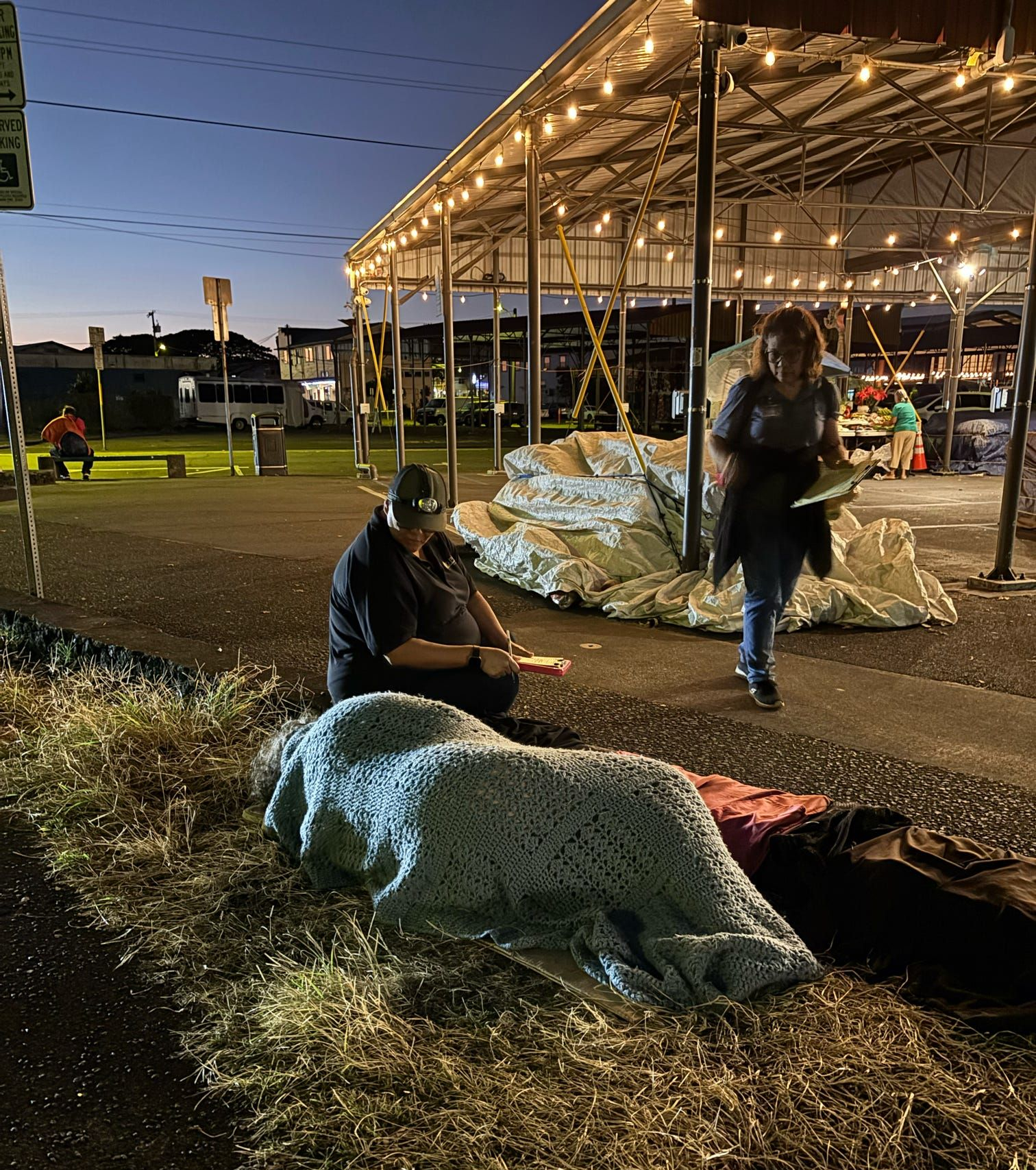
Earlier this year, volunteers and outreach workers canvassed across Maui, Kauaʻi, and Hawaiʻi Island, asking unsheltered residents where they slept on the night of January 25, 2026. Today, at the West Hawaiʻi Civic Center, the Bridging The Gap coalition discussed their findings.
The Point in Time Count is “a one-night snapshot rather than a total census of all who experience homelessness throughout the year,” the coalition explained, adding “it remains a significant metric for tracking trends in order to help stakeholders better understand homelessness in their communities.”
The data suggests a 3% decrease in total homelessness on Hawaiʻi island, from 718 in 2024 to 696 in 2026.
Also on the Big Island, “the number of families with children experiencing homelessness has decreased by 62% since 2018, and the number of unsheltered families has dropped by 91%,” the Bridging the Gap news release stated. “These are positive signs that consistent, intentional efforts over time to reduce homelessness can be effective.”
Other Hawaiʻi island findings include:
- Unsheltered homelessness decreased by 11% (from 527 in 2024 to 467 in 2026).
- Sheltered homelessness increased by 20% (from 191 in 2024 to 229 in 2026).
- Family homelessness decreased by 20% (from 41 families in 2024 to 33 in 2026).
- Veteran homelessness increased by 16% (from 38 in 2024 to 44 in 2026).
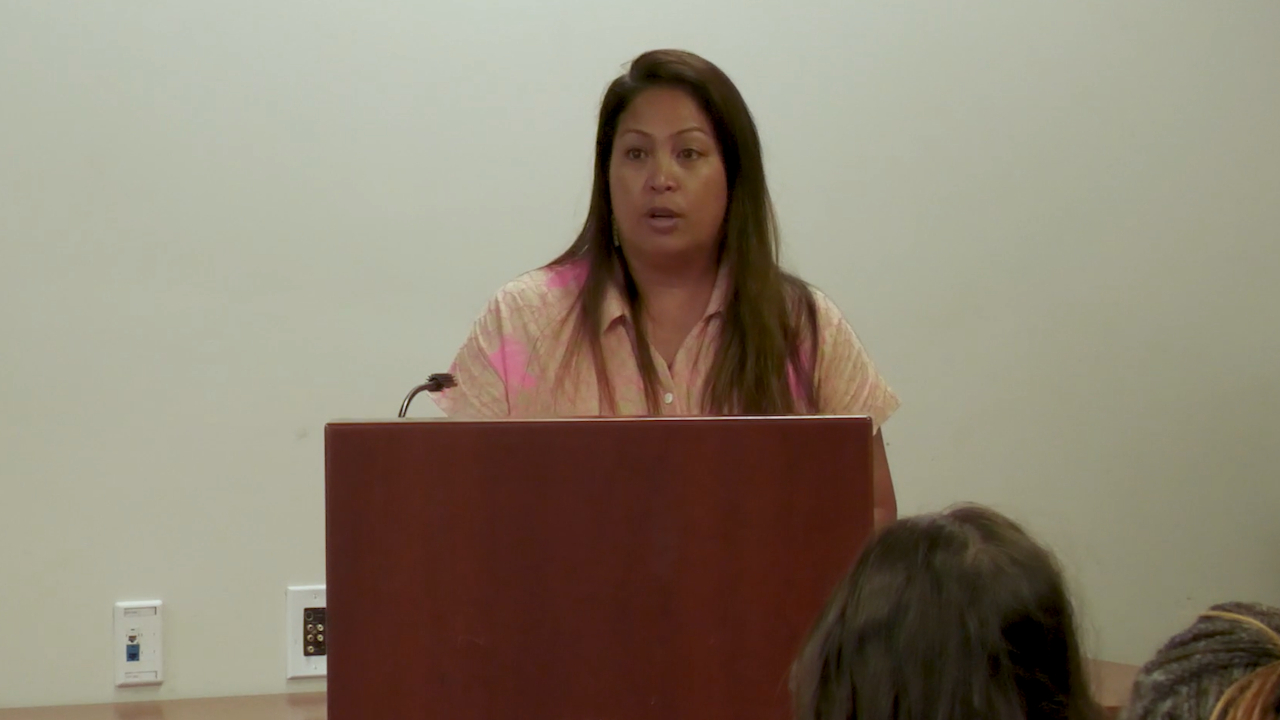
“We are moving more people indoors and seeing meaningful reductions in family homelessness,” said Billi-Jo Pike, Chair of Community Alliance Partners, Hawaiʻi Islandʻs coalition of homeless service providers. “But the work is not finished. Too many households are still waiting for a stable, permanent place to call home. Continued investment in housing and support services is what will allow us to turn today’s progress into lasting change.”
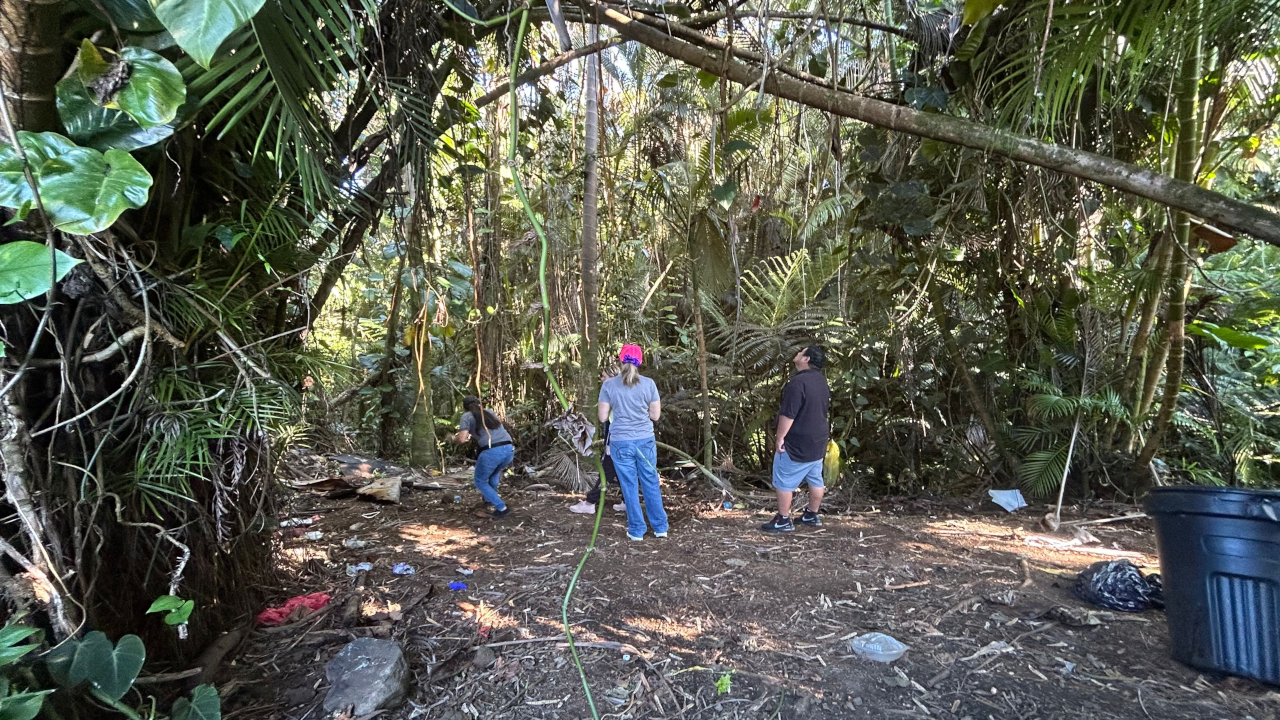
This year, volunteers worked hard to reach the most isolated members of the community. “Recognizing that homelessness often exists far beyond city centers, teams expanded their search into extreme terrain and difficult-to-access locations,” the coalition stated. “Volunteers trekked into remote lava fields, dense brush, hidden gulches, and rugged coastline areas far from the public eye. By navigating these rough landscapes, the coalition aimed to ensure that the most vulnerable and hidden members of the unsheltered population were seen and counted.”
All together, the neighbor islands saw a 10% reduction in sheltered homelessness, but a the slight rise in those living unsheltered – from 1,276 to 1,305 people. “It’s a clear signal that we must continue to move beyond temporary fixes and invest heavily in permanent, supportive housing that people can realistically afford,” says Brandee Menino, Bridging the Gap Chair.
