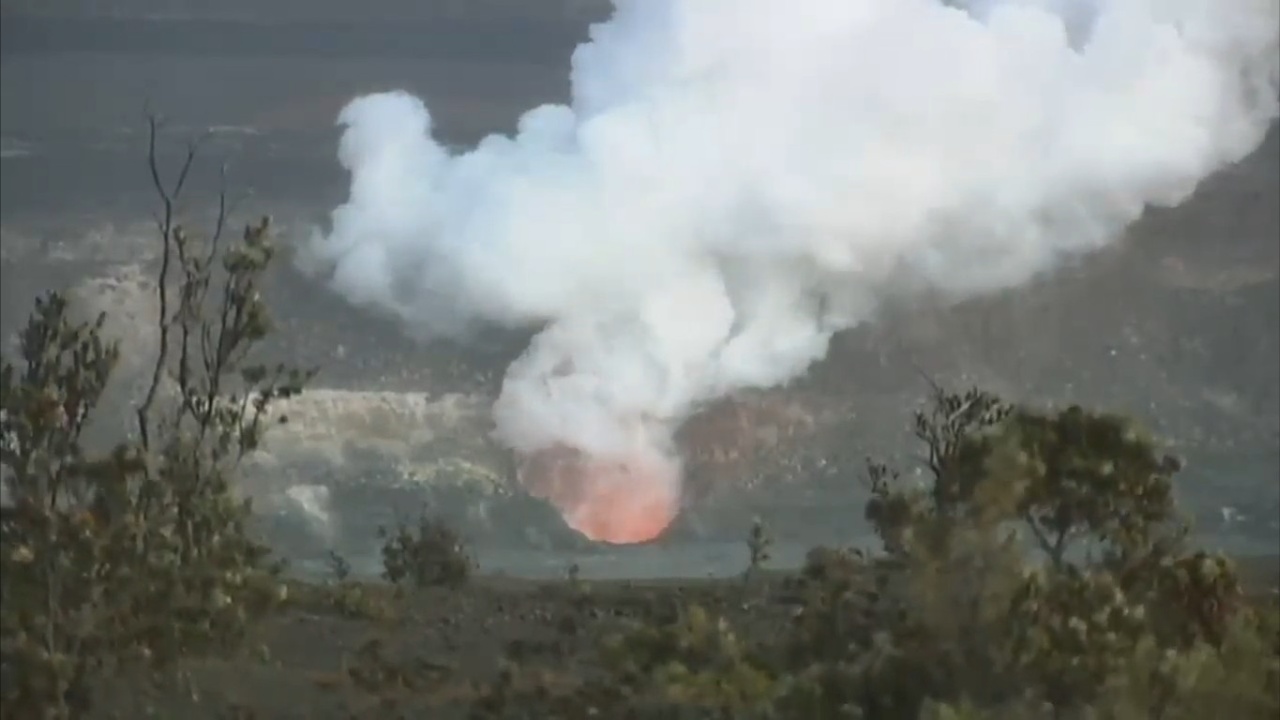

The following news article was first published on July 21, 2008. The article was refurbished on June 9, 2026, as a part of our Archive Restoration Project. Article content remains the same, although there may be some non-substantive changes and corrections, such as the inclusion of proper diacritical markings. New images from the original story media may also be included. Also, when appropriate, we will include a transcript of the featured video. Transcripts were generally not included in the original published story.
(BIVN) – A new “State of the Parks” report is issued for Hawaii Volcanoes National Park, which rates “poorly” in natural resources, while only scoring “fair” in cultural resources.
In this video, rangers and volunteers demonstrate the challenges facing the staff on a media tour up Mauna Loa Road, where a relatively small staff must creatively combat the invasive species that threaten endangered, native plants. Volunteers also help exhibit the successes, like the blossoming of the rare Mauna Loa silversword.
The following is a transcript of the above featured video:
Kari Kiser, NPCA Senior Program Coordinator: This report is put out to do a assessment of the resources of the park. So we’re looking at the natural, the cultural resources of the park. And it gives us the tools to be able to move forward with where the park is at and what they could be doing in the future. Our program has put out about 60 reports to get from different parks around the country and this is just to get a core sampling of what the resources look like around the whole country. And by the 2016, which is the 100th anniversary of the National Parks, we’re hoping to get at least 100 more of these reports out.
One of the things they do is they take a look at the natural resources. What the invasive species look like, what the plants that are growing here look like, and they’re able to give a score depending on how it relates to the way it was historically. This National Park got a “poor” on their on their natural resources and that’s mostly because of the invasive species.
The purpose of today’s tour was to be able to get out and look at the successes that the program has had.
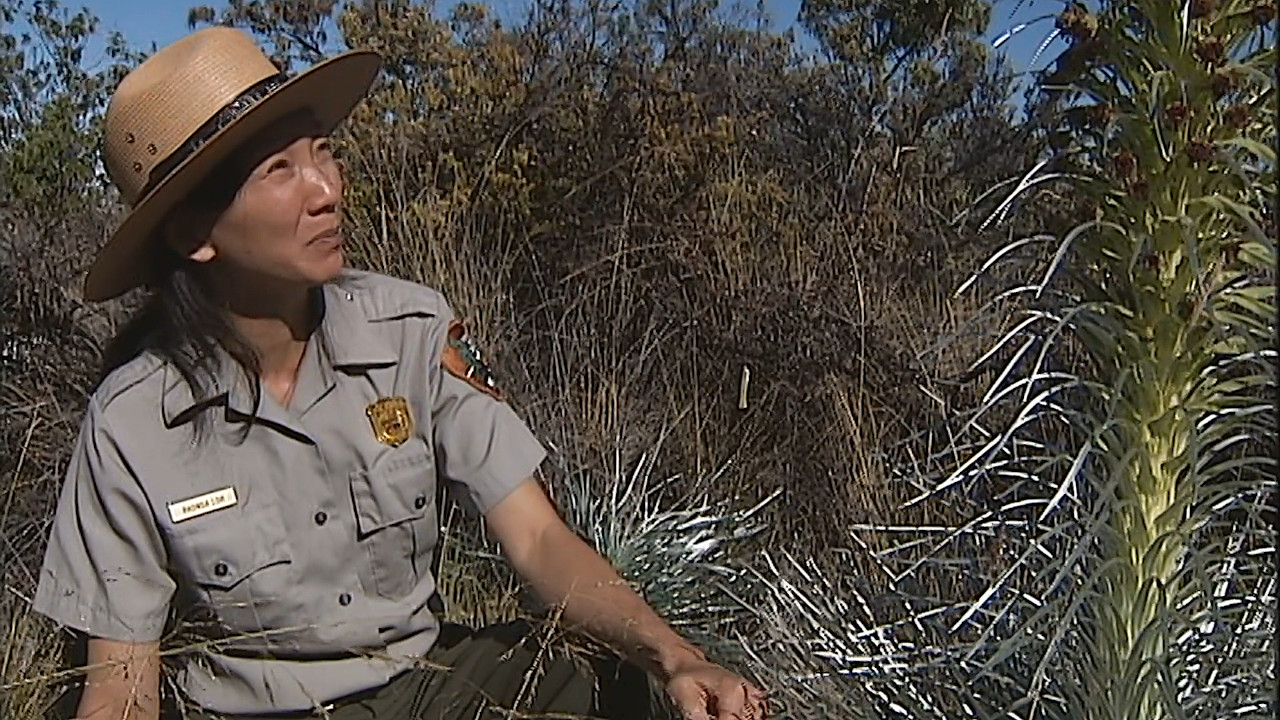
Rhonda Loh, Hawaiʻi Volcanoes National Park: So where we are today, right now… this is called the Mauna Loa Strip and you’re seeing forest recovery that has occurred since the cattle were removed in the 50’s and goats removed in the late 70’s.
Hao kuahiwi; it was twice reduced to a single individual left in the world in the 20th century. The park fortunately was able to collect cuttings and plant them into these areas protected from ungulates. And so we now have just under 300 individuals.
It was discovered in this and has not been found anywhere else so there it is.
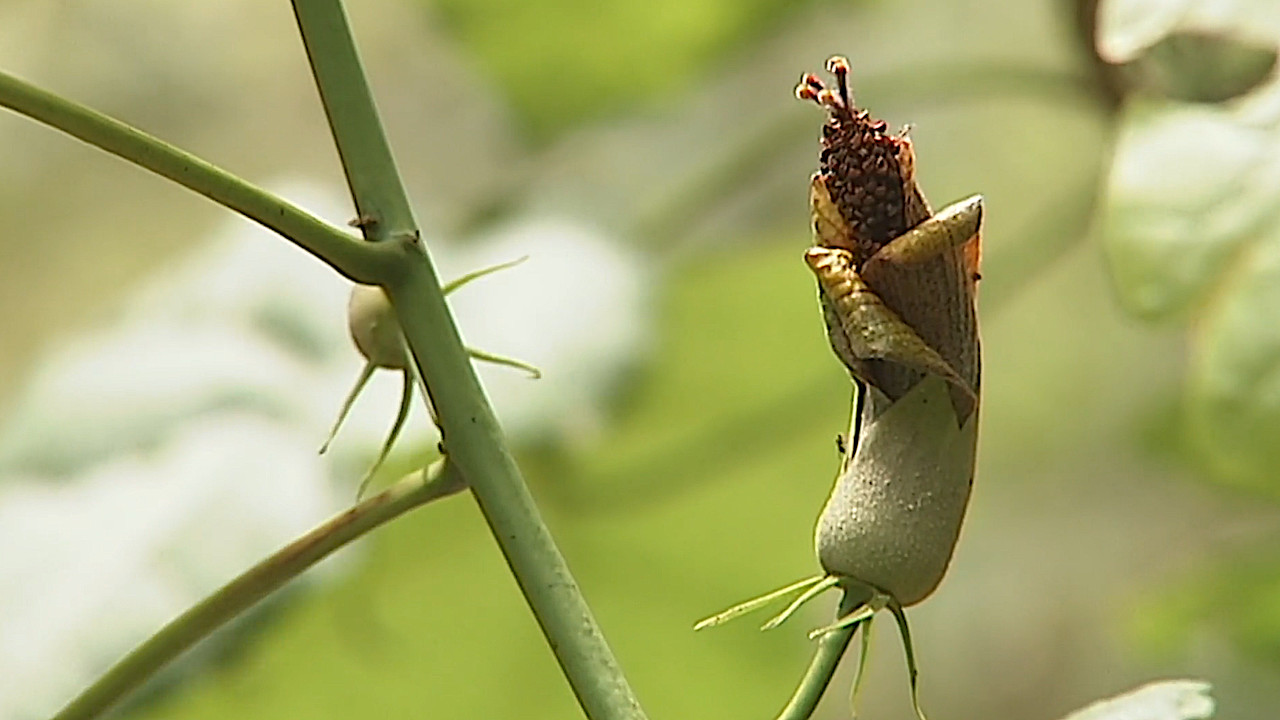
This is a culturally significant area. These mesic forests or upper elevation forests were considered part of the wao akua or the area of the spirits and these are sacred areas to the native. And they value puaulu as much as say an ecologist would. Often when we talk about natural resource preservation, we are talking about cultural resource preservation.
Kiser: That this park has got 54 of the federally listed species that they’re looking at, and these species that are endangered and threatened are mostly threatened and endangered due to the invasive species.
Loh: Through the Silversword Foundation we partnered with State and Fish and Wildlife to collect seeds from those natural populations and plant out – propagate and out plant – individuals into protected areas such as this.
You guys coming over? You don’t want to see a blooming silver sword, do ya? You may never see one again in your life.
Loh: But what’s unique about it is that it spends its whole life getting food and energy to make this one blossom. So it can take up to 25 years to produce this blossom and then once it does it sets seed and then dies. So it’s an incredible story.
Kiser: So, even though they have a poor score, they’re able to do these programs with the community, with the youth. Well these kids that came in, a lot of them were first came into this park with their schools. Like fifth graders, when they’re doing hands-on science education, and the success of this program… these kids have come back and they’re now older, they’re in high school, and they’re still working with the park to help replant the forests.
Kai Breithaupt, Hawaiʻi Youth Conservation Corps: YCC is a group that works with the National Park just to help out the environment and get going.
UNIDENTIFIED: Kayson and Emma have maile over there, which is a vine-shrub, but very culturally important plant.
Breithaupt: Get the process going again like for the native plants. So we’re trying to get more of the native plants going, so we can have, actually, a future for our kids that we have from now.
Kiser: This is one of the success stories that the park has and something that we’d really like to see develop further. And we’re hoping that with additional funding from Congress and additional funding from the administration, that they’ll be able to develop this program to make it larger, and bring more kids into the into the park. And the hope is they’ll be able to use these reports to move forward and to protect our parks for future generations to enjoy.