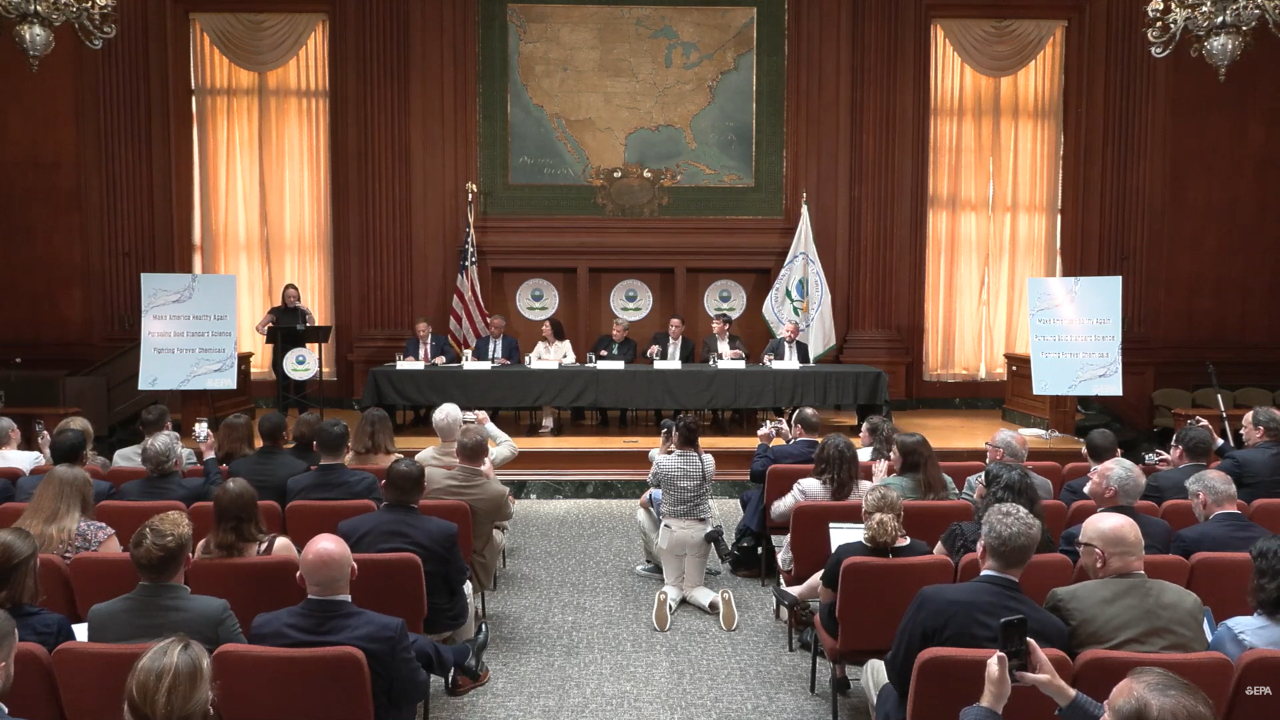

(BIVN) – The U.S. Environmental Protection Agency (EPA) announced on Monday that $9,457,000 in federal funding is coming to Hawaiʻi, in an effort to address PFAS and emerging contaminants in Pacific Southwest communities.
The Hawaiʻi funding is part of a nation-wide $1 billion Emerging Contaminants in Small or Disadvantaged Communities (EC-SDC) grant program, described by the EPA as a “comprehensive, lifecycle-based strategy to address per- and polyfluoroalkyl substances (PFAS) that underscores EPA’s commitment to Making America Healthy Again by ensuring clean water for all.”
“With this investment, EPA is demonstrating our commitment to the goal of every American having safe drinking water,” said Acting EPA Pacific Southwest Region Administrator Michael Martucci. “Providing funding, affordable financing, and technical assistance to help Pacific Southwest communities get PFAS out of drinking water will bring lasting positive impacts where they are needed most.”
As an example, recently on Hawaiʻi island, low-levels of perfluorooctanesulfonic acid, or PFOS, was detected for the first time in a Pepeʻekeo water well. PFOS is a specific type of PFAS chemical.
The Hawaiʻi County Department of Water Supply reported in October 2025 that 2.6 to 3.0 nanograms per liter (ng/L) of PFOS was found in the Kulaimano Well A, one of the two groundwater sources in the Pepeʻekeo Water System.
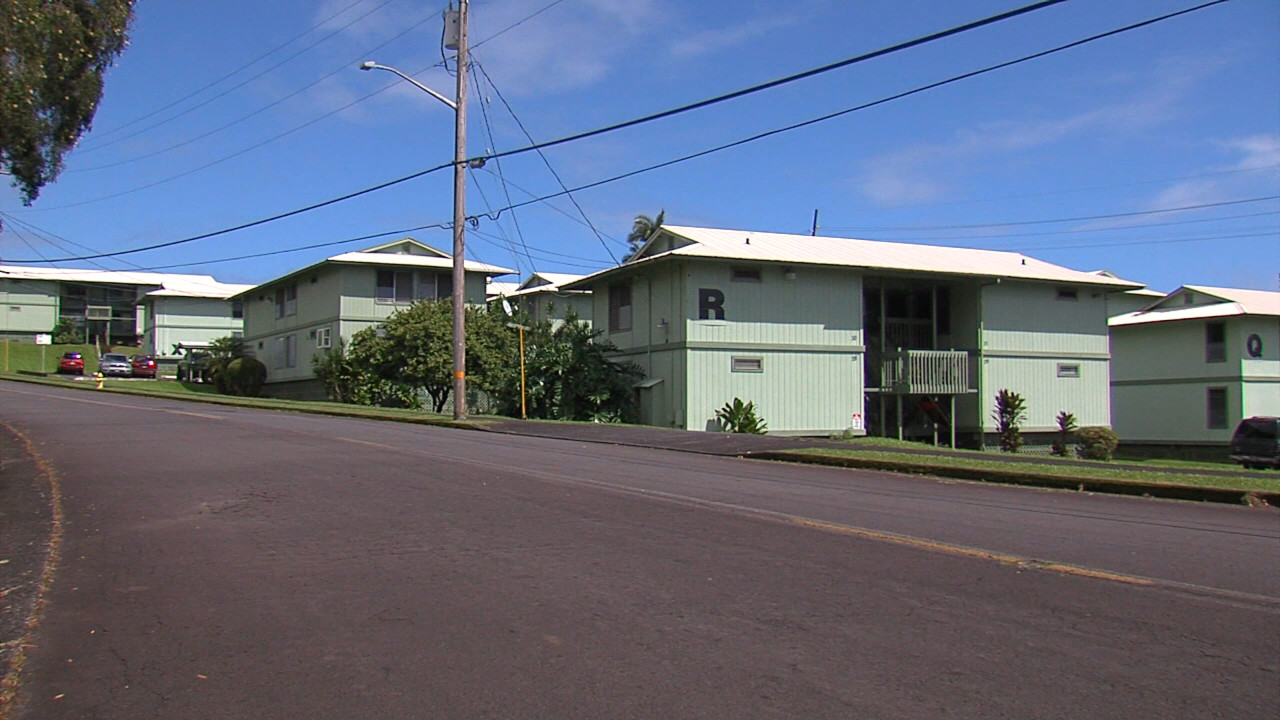
The DWS said the test results “are within the acceptable limits of the safe drinking water standards set by the Environmental Protection Agency,” or EPA. The department added that “the drinking water that DWS provides meets all federal and state drinking water standards and thus it is safe to drink and use.”
The EPA’s Maximum Contaminant Level (MCL) for PFOS is 4.0 ng/L.
The EPA says it is working to address PFAS before it enters the environment, and “delivering real solutions to reduce PFAS exposure for all Americans.” From the EPA press release following the Monday announcement:
With this grant allotment, the agency has made $5 billion in EC-SDC funding available through this program over five years. More than $6.5 billion in low-interest financing is currently available through EPA’s Water Infrastructure Finance and Innovation Act (WIFIA) Loan program, which can also be used to address PFAS.
Sustained investment of this scale helps drive down the per-system cost of treatment, generates real-world performance data that better informs utility decision-making, accelerates innovation in destruction and disposal technologies, and helps mitigate PFAS across the many forms in which it appears in source water.
Additionally, EPA’s new PFAS OUTreach—or PFAS OUT—initiative is accelerating progress in addressing PFAS in drinking water. This new program proactively works with communities and water systems to reduce exposure to perfluorooctanoic acid (PFOA) and perfluorooctane sulfonic acid (PFOS) in drinking water. Recognizing that small, rural, and disadvantaged water systems often have fewer resources, PFAS OUT is specifically designed to ensure these communities are not left behind. PFAS OUT will help every drinking water system dealing with PFOA or PFOS to effectively understand the challenge and reduce exposure as soon as possible while positioning them for successful compliance with enforceable drinking water standards.
EPA’s multifaceted approach to reducing exposure to PFAS in drinking water also includes two proposed rules for public comment that uphold the National Primary Drinking Water Standards PFOA and PFOS while enhancing practical implementation and correcting the Biden-Harris Administration’s failure to follow the clear requirements of the Safe Drinking Water Act.